Newsletter
President Newsletters
Archives
May News
Volunteering at Girls on the Run NOVA 5K
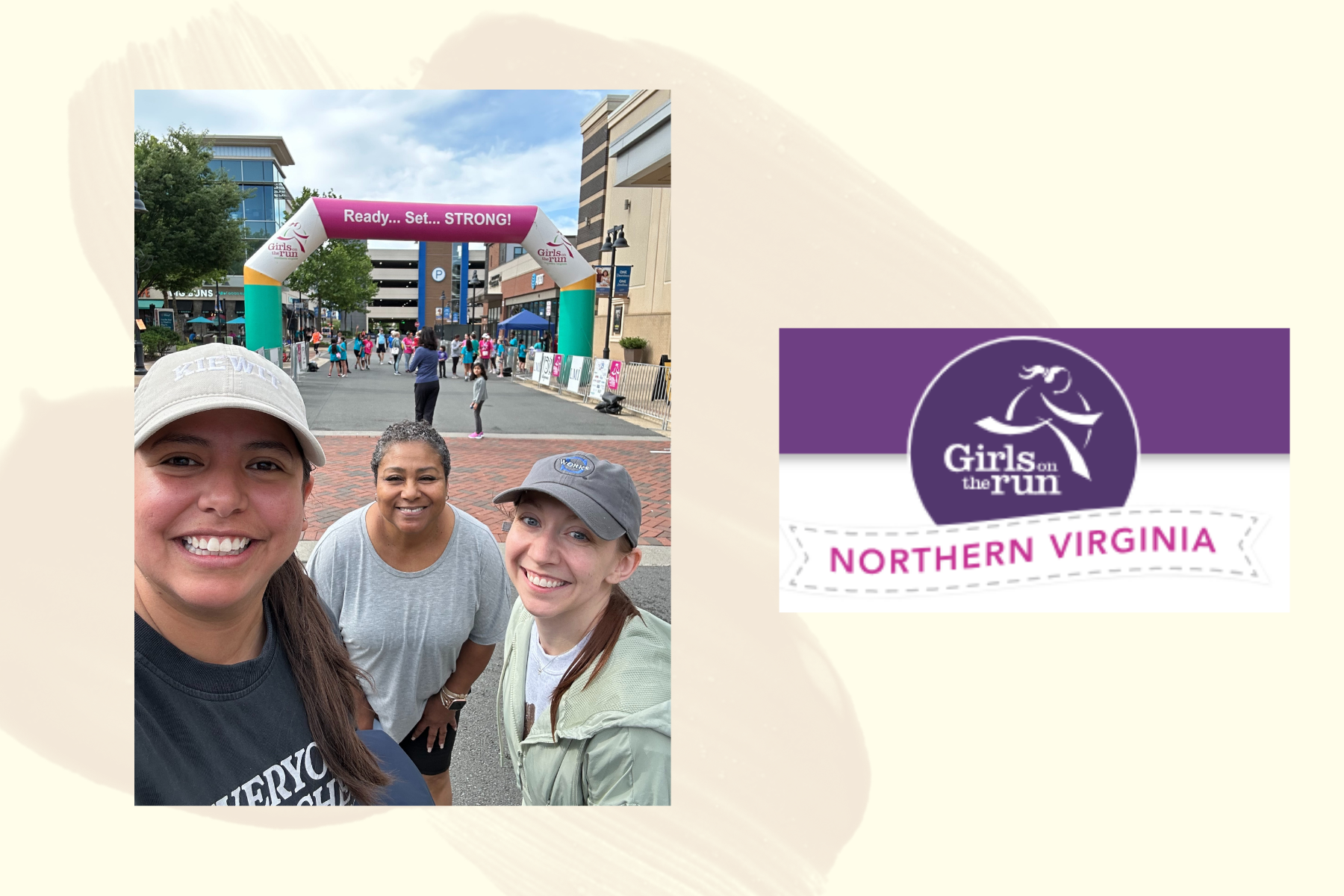
On May 16, 2025, members of NAWIC NOVA volunteered at the Girls on the Run NOVA 5K held at One Loudoun. The event celebrated the culmination of a 10-week program designed to build confidence, character, and healthy habits in young girls through running.
NAWIC NOVA volunteers played a key role in supporting the event—from helping with setup and race logistics to cheering on participants along the course. Their presence contributed to the uplifting and empowering atmosphere that makes the Girls on the Run NOVA 5K such a memorable experience for all involved.
By supporting events like this, NAWIC NOVA continues its mission to give back to the community and inspire the next generation of strong, confident young women.
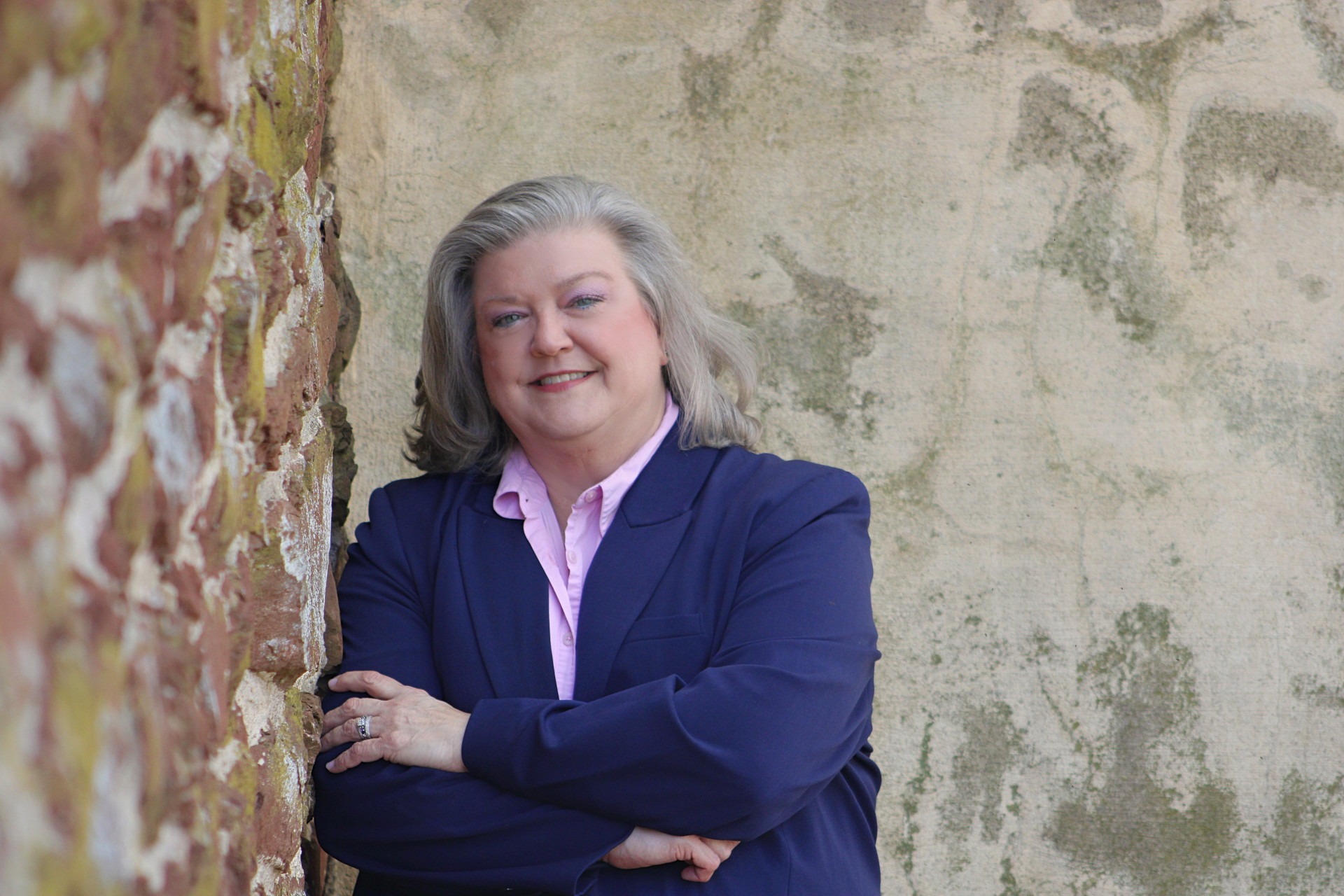
Construction Safety Week - Interview with Stacy Skinner
In recognition of Construction Safety week, NAWIC NOVA interviewed Stacy Skinner, President of SCS Safety Health & Security Associates. Construction safety week (May 5th - May 9th, 2025) is an annual industry-wide initiative dedicated to raising awareness, reinforcing a strong safety culture, and celebrating the commitment to keeping workers safe on construction sites every day.
Interview by Kayla Bonish, President, NAWIC NOVA
May 8th, 2025
Kayla Bonish: Stacy, thank you for sitting down to chat with me. I’m excited to hear your perspective on Construction Safety Week! First off, what inspires you to participate in Safety Week?
Stacy Skinner: You know, I think it’s important to spotlight safety in a real and relatable way. Especially as women in safety, our experiences can be different. Something as simple as not having a properly fitting harness—because they’re usually sized for men—can have major consequences. I’ve always felt like I was “a woman in a man's world,” especially in construction, but I’ve also seen that world slowly change over the past 30 years.
Kayla: That’s so powerful. What were some of the biggest challenges you faced coming up in the industry?
Stacy: Early on, the biggest challenge was credibility. I was often the only woman on site, and I’d get questioned—like, “Who are you to tell us what to do?” But now, there’s more diversity, and with that comes a need to understand different cultures too. I’ve worked with all cultures—all with different ways of communicating. I always say: you catch more flies with honey than vinegar. Just making an effort to understand someone’s background or learn a few keywords in their language goes a long way.
On the Evolution of Safety
Kayla: Let’s talk about how you’ve seen the safety world evolve.
Stacy: It’s been a complete shift. I remember seeing construction workers out in the sun all day when I was a kid—no PPE, no regulations. It was the Wild West. Then OSHA came in and started with rules—black and white. Over time, the responsibility started to spread: management got involved, then we moved from top-down safety to also bottom-up. Now, we’re finally building cultures that ask “Why did this happen?” instead of just blaming someone. We’re getting more proactive.
Kayla: That ties into one of my questions—how do you handle resistance to safety measures, like paperwork or processes?
Stacy: It’s tough. I’m an independent consultant, so I support internal safety teams of different companies. I usually tell them that safety documentation isn’t just a box to check—it helps us collect data that can save lives. It’s not about slowing down; it’s about working smarter. Sometimes I even use analogies—like building a peanut butter and jelly sandwich—to show how JHAs work. You’d be amazed how effective that is.
Tailoring Communication
Kayla: You work with all types of clients—big builders, smaller trades. How do you tailor your communication?
Stacy: The smaller companies often don’t see the value of formal JHAs. But they’re still doing them—they just don’t realize it. So I meet them where they are. We talk through it instead of writing it down. With the larger contractors, I speak their language—using project management platforms, safety software, compliance references. It’s all about knowing your audience. For example, we offered 15 CPR classes this month certifying over 100 people. We make sure the class offers a Spanish and English version - and not just a translation on paper. We tailor the classes to have instructors speaking the language so people can have more open conversations and learn so much more.
Kayla: That makes total sense. And I love your example about CPR training and making the Spanish-speaking class more comfortable and engaging—it’s all about inclusion and understanding the audience's needs.
Leadership and Integrity
Kayla: Let’s talk leadership. How does leadership—or lack thereof—affect safety culture?
Stacy: Huge. Leadership sets the tone. If leaders don’t practice safety, no one else will either. I have had workers come to me expressing their concerns, that they have intimidated by management, to not speak up for their safety. I couldn’t believe it. That’s not leadership. But I’ve also seen turnarounds—when people feel like their voices matter, the culture changes. Safety has to come from the top and the bottom to truly work. My favorite quote is "Your employees learn by example. If they don't see you practicing good safety habits, they won't think safety is important.” - Unknown Author
Role Models and Starting Her Business
Kayla: Who inspired you to get into this field?
Stacy: My fire chief, John Scafide. I started as a volunteer firefighter/EMT in 1986. He showed me how risk management could truly make an impact. I went to college, got my degree in fire science, and eventually worked for Erie Insurance. After 18 years, I saw that small contractors had no resources. So my husband Doug and I started our own safety company—he handles the health side, and General Industry, I handle the construction safety. We wanted to fill that gap and truly help people.
Myth Busting in Safety
Kayla: OK, time to bust a myth. What’s one common misconception about safety?
Stacy: That accidents “just happen.” No, they don’t. The vast majority—95% or more—are preventable. Human error, equipment failure, lack of planning—there’s always a cause. We’re not disposable. We can—and should—do better.
Kayla: Amen to that. And what about the idea that “safety is too expensive”?
Stacy: It’s more expensive not to be safe. There’s an OSHA tool called “Safety Pays”—you can input the injury and see how much it really costs in direct and indirect expenses. One accident could cost $70,000 and take millions in revenue to recover from. And hiring a third-party like us? That’s a drop in the bucket compared to a lawsuit or serious injury.
A Career of Impact
Kayla: What’s your proudest moment?
Stacy: Anytime I get through to someone. When I explain something like fall protection in a way that clicks—and they truly get it—I know I’ve just saved a life. That’s what keeps me going. One guy even pulled out a picture of his kids and said, “That’s who I’m going home to.” That’s it. That’s why we do this.
Final Thoughts: Safety Week & Moving Forward
Kayla: As we celebrate Safety Week, what does it mean to you?
Stacy: It’s a chance to start conversations, educate, and get employees involved. It shouldn’t just be another meeting. Make it meaningful. Give people a role in it. Let them contribute ideas. Celebrate the wins—big and small.
Kayla: Any final words of encouragement?
Stacy: Meet people where they are. Show them that safety is for them—not just a rule or law. And remember: we’re not just protecting workers. We’re protecting fathers, mothers, sons, daughters. Every day someone goes home safe, we’ve done our job.
Thank you, Stacy, for sharing your insights and commitment to creating safer job sites. We appreciate your time and leadership—wishing you and everyone a safe and successful Construction Safety Week!
Past Event
CHEERS ON THE TRAILS
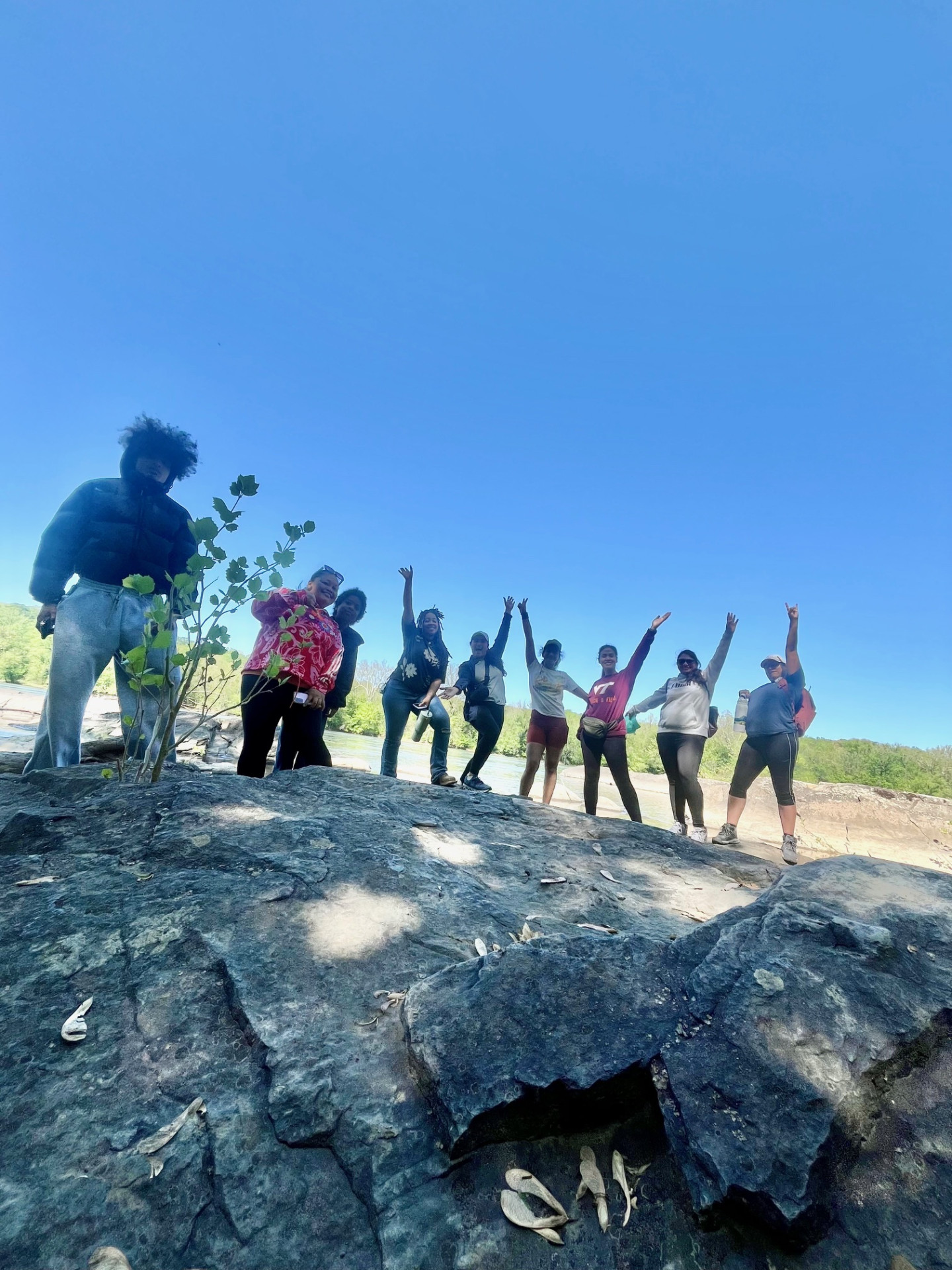
On April 27th, 2025, members of NAWIC NOVA enjoyed a scenic hike at Point of Rocks, taking in the fresh spring air, lush greenery, and serene views along the Potomac River. Along the way, there were plenty of photo ops, great conversations, and maybe even a few happy “we made it up this hill” moments. It was the perfect chance to connect, unwind, and enjoy the beauty of nature together.
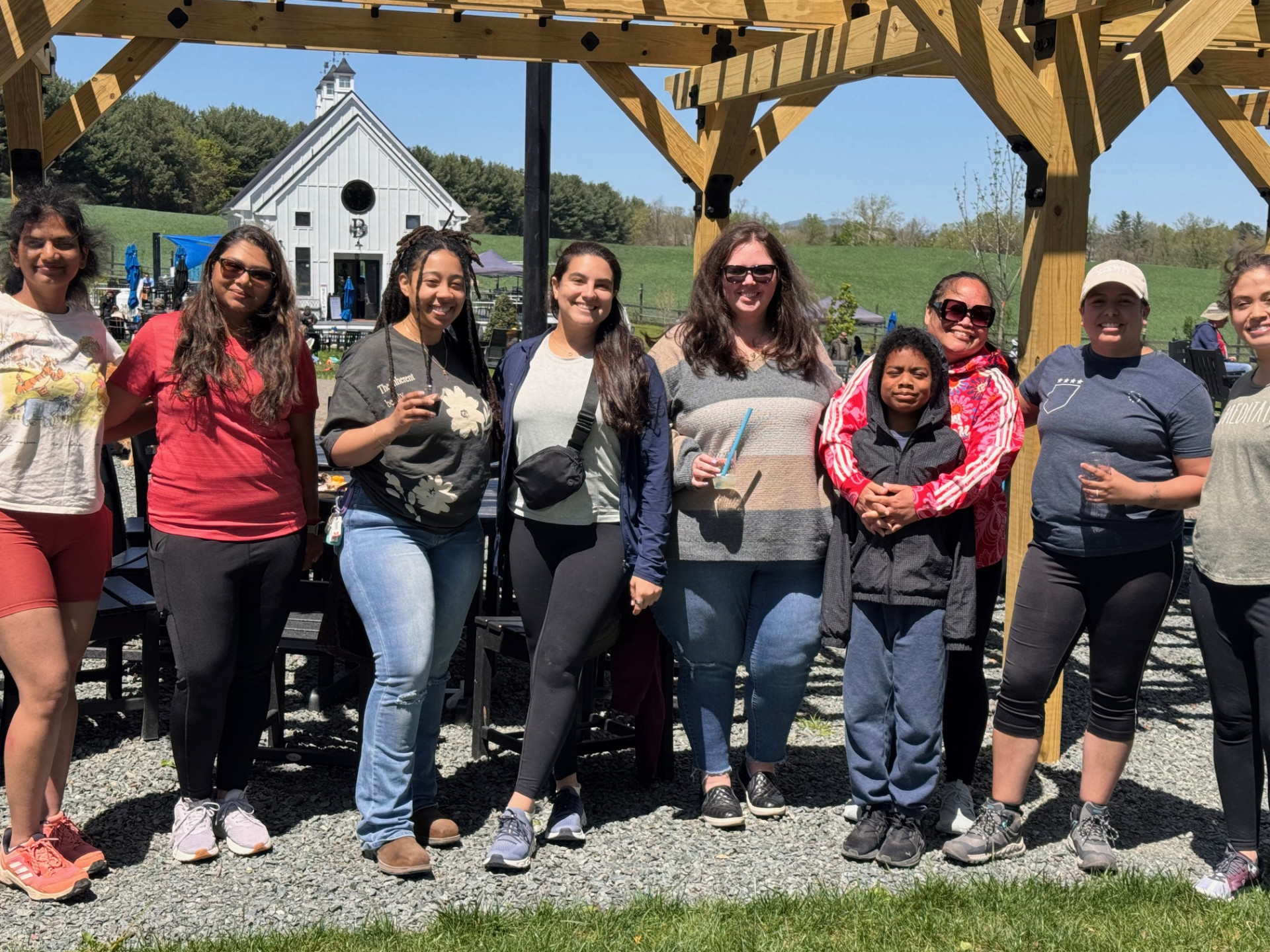
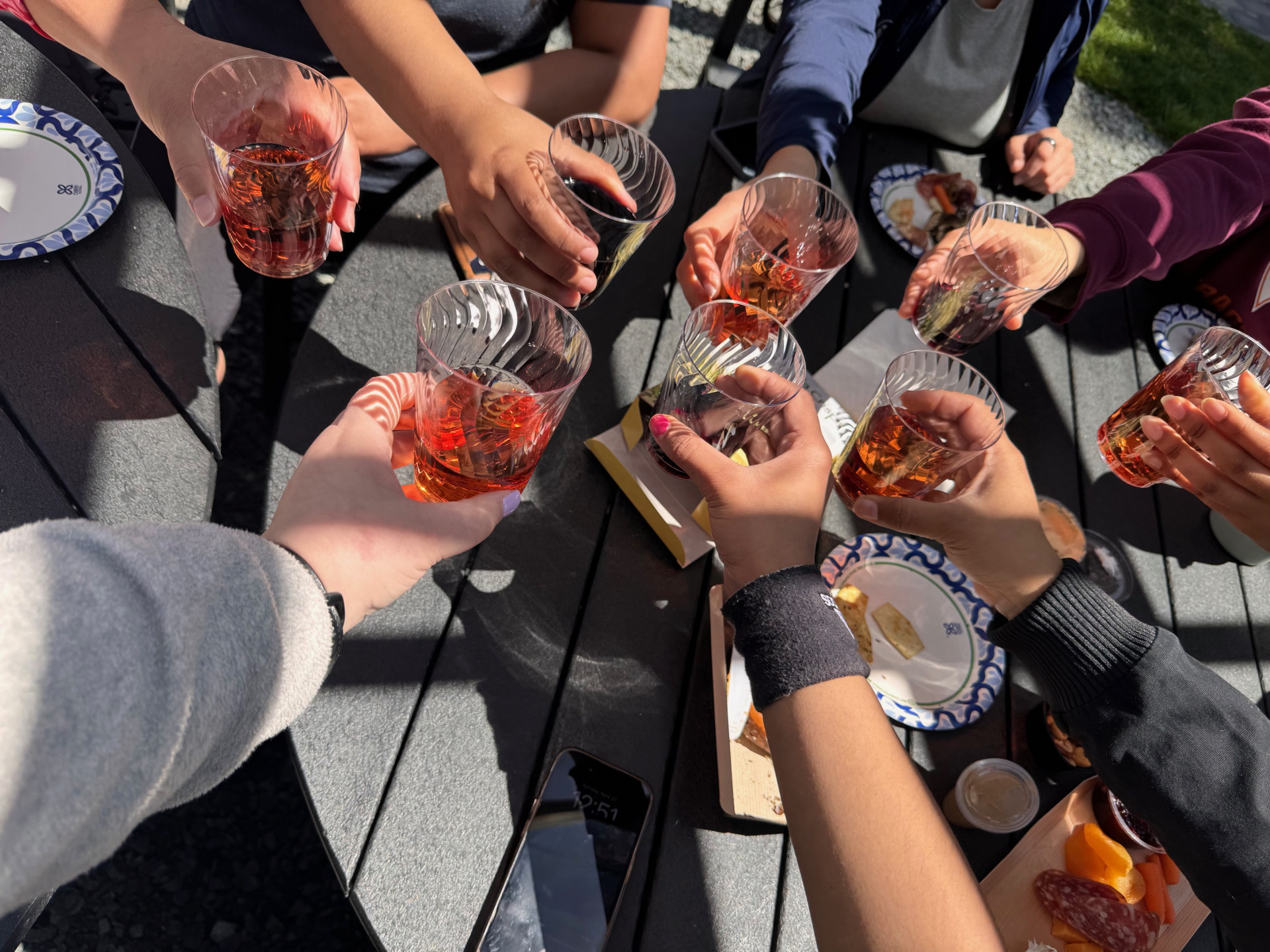
After working up a thirst, the adventure continued at Bleu Frog Vineyard, where the group swapped hiking boots for wine glasses and toasted to a day well spent. With scenic vineyard views, delicious local wines, and plenty of charcuterie to go around, the happy hour buzz was as much about friendship as it was about the drinks. Between sips and stories, the laughter never stopped, making it a truly memorable day of adventure, connection, and well-earned relaxation. Cheers to another fantastic NAWIC NOVA outing!